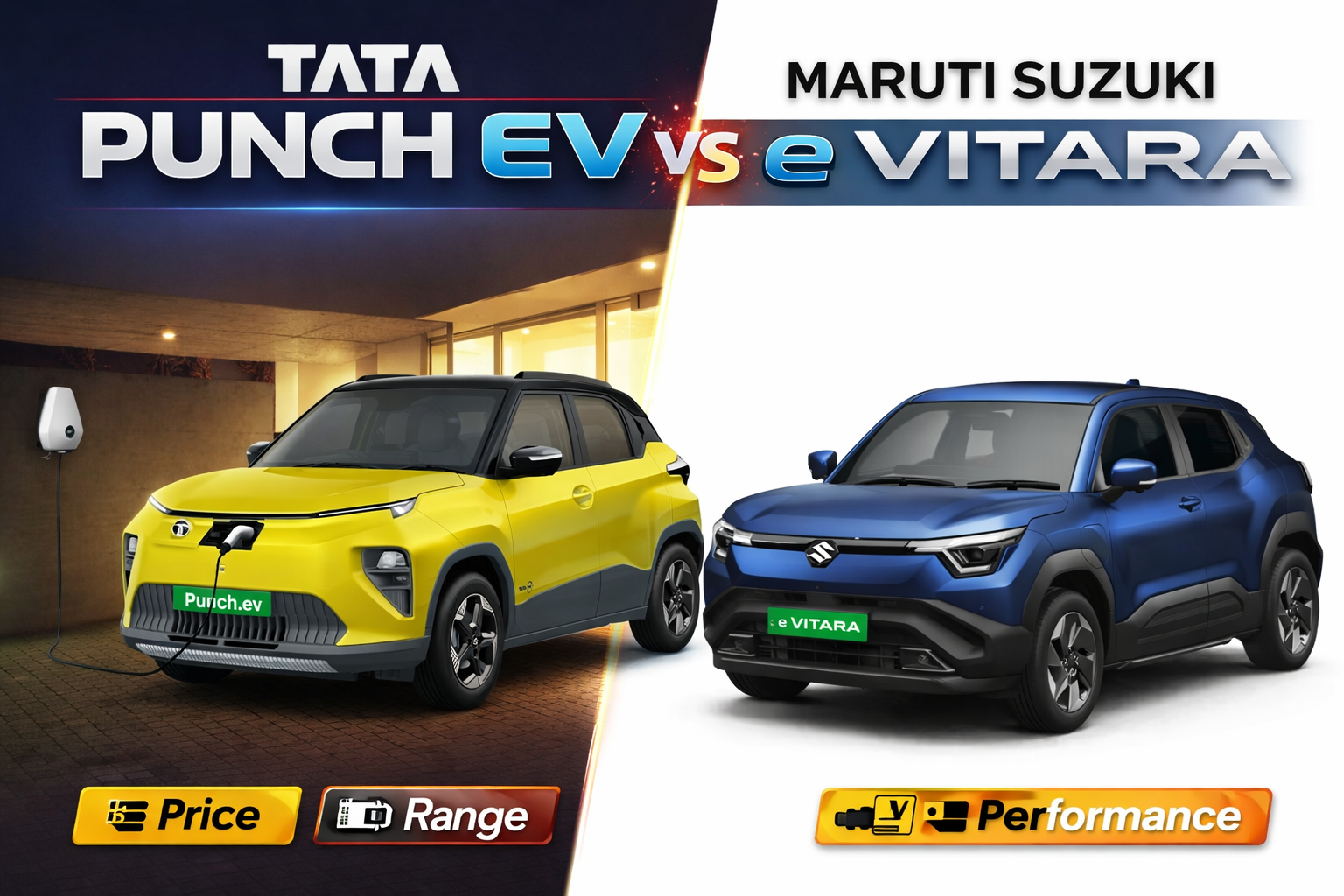
Tata Punch EV vs Maruti Suzuki e Vitara – Complete Spec Comparison, Range, Price, Features & Buying Guide 2026
Tata Punch EV vs Maruti Suzuki e Vitara – The Ultimate Electric SUV Comparison
The Indian EV market is evolving rapidly, and two very important launches are the Tata Punch EV and the Maruti Suzuki e Vitara.
This comparison will help buyers understand the real-world differences in price, battery, range, features, safety, and ownership value.
If you are confused between a compact city-focused EV and a larger premium electric SUV, this guide from CarUnboxing.in gives you the complete answer.
Vehicle Positioning and Segment
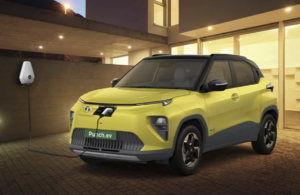
The Tata Punch EV is positioned as an affordable electric micro SUV.
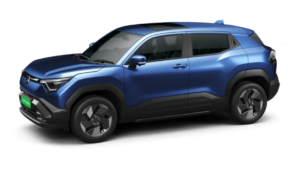
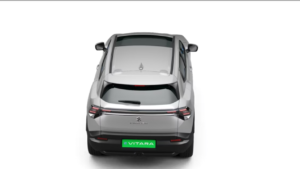
The Maruti Suzuki e Vitara is a larger, more premium electric SUV aimed at family buyers.
Segment Comparison Table
| Parameter | Tata Punch EV | Maruti Suzuki e Vitara |
|---|---|---|
| Segment | Micro SUV | Compact SUV |
| Platform | Acti.ev | Dedicated EV SUV Platform |
| Target Buyer | City-focused users | Family SUV buyers |
| Price Positioning | Budget EV | Premium EV |
Price Comparison
Price plays a crucial role in EV adoption.
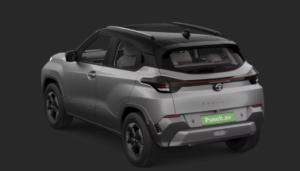
The Punch EV is significantly more affordable than the e Vitara.
Ex-Showroom Price Comparison
| Variant Range | Tata Punch EV (₹) | Maruti Suzuki e Vitara (₹) |
|---|---|---|
| Base | 9.69 lakh approx | 15.99 lakh approx |
| Mid | 11–13 lakh | 17–18 lakh |
| Top | 14+ lakh | 20.01 lakh approx |
The price difference clearly shows that the e Vitara targets a higher segment.
Battery Pack Options
Battery capacity directly impacts range and driving confidence. Both SUVs offer multiple battery options.
Battery Specification Table
| Specification | Tata Punch EV | Maruti Suzuki e Vitara |
|---|---|---|
| Battery Option 1 | 30 kWh | 49 kWh |
| Battery Option 2 | 40 kWh | 61 kWh |
| Cooling System | Liquid cooled | Liquid cooled |
| Battery Type | Lithium-ion | Lithium-ion |
The e Vitara offers larger battery packs, which naturally translates to longer range.
Claimed Range Comparison
Range anxiety remains the biggest concern for EV buyers. Here is the claimed driving range comparison.
Range Table
| Battery | Tata Punch EV Claimed Range | e Vitara Claimed Range |
|---|---|---|
| Smaller Pack | 365 km approx | 440 km approx |
| Larger Pack | 468 km approx | 543 km approx |
Real-World Range Expectations
Claimed figures are different from real driving results. Here is a realistic estimation.
Real-World Range Table
| Battery | Punch EV Real Range | e Vitara Real Range |
|---|---|---|
| Smaller | 260–275 km | 350–380 km |
| Larger | 335–355 km | 420–470 km |
If long highway drives are your priority, the e Vitara has a clear advantage.
Motor and Performance Comparison Performance matters for overtaking and highway cruising.
Power output differs significantly between both SUVs.
Performance Table
| Specification | Tata Punch EV | Maruti Suzuki e Vitara |
|---|---|---|
| Power Output | 87–127 bhp | 141–171 bhp |
| Drive Type | FWD | FWD |
| Torque | Up to 190 Nm approx | Higher than Punch EV |
| Acceleration | Quick city response | Stronger highway performance |
The e Vitara delivers more power and better top-end performance.
Charging Speed Comparison Charging time determines convenience. Both support DC fast charging but with different speeds.
Charging Table
| Charging Type | Tata Punch EV | Maruti Suzuki e Vitara |
|---|---|---|
| AC Charging | Standard home charging | Standard home charging |
| DC Fast Charging | Up to 65 kW | Slower compared to Punch |
| 10–80% Time | Around 26 minutes | Around 45 minutes |
The Punch EV charges faster on DC networks.
Dimensions and Space
Size impacts cabin comfort and road presence. Here is the size comparison.
Dimension Table
| Dimension | Tata Punch EV | Maruti Suzuki e Vitara |
|---|---|---|
| Length | Shorter | Longer |
| Wheelbase | Compact | Larger |
| Cabin Space | Adequate for 4 | Comfortable for 5 |
| Boot Space | Smaller | Bigger |
The e Vitara is clearly more spacious and family friendly.
Interior and Features Comparison
Modern buyers expect premium technology. Both vehicles offer advanced features.
Feature Table
| Feature | Tata Punch EV | Maruti Suzuki e Vitara |
|---|---|---|
| Infotainment | 10.25-inch touchscreen | 10.1-inch touchscreen |
| Digital Cluster | Yes | Yes |
| Ventilated Seats | Yes | Not confirmed in all variants |
| 360 Camera | Yes | Yes |
| Ambient Lighting | Limited | Yes |
| Sound System | Premium setup | Infinity branded |
The e Vitara focuses more on comfort and luxury elements.
Safety Comparison
Safety is non-negotiable in modern cars. Both SUVs come well-equipped.
Safety Table
| Safety Feature | Tata Punch EV | Maruti Suzuki e Vitara |
|---|---|---|
| Airbags | 6 | 7 |
| ESC | Yes | Yes |
| 360 Camera | Yes | Yes |
| ADAS | No | Level 2 ADAS |
| Battery Warranty | Lifetime (select variants) | 8 years / 1.6 lakh km |
ADAS gives the e Vitara a technological advantage.
Ownership Cost and Value
The Punch EV offers lower upfront investment. Insurance and service costs are expected to be lower as well. The e Vitara offers better long-term highway usability and premium positioning.
Which One Should You Buy
Choose the Punch EV if your driving is mostly city-based. It is affordable, easy to park, and faster charging friendly. Choose the e Vitara if you want space, power, and longer highway range. It is ideal for families and intercity travel.
Expert Verdict from CarUnboxing.in
The Tata Punch EV wins in affordability and charging speed. The Maruti Suzuki e Vitara wins in space, power, ADAS, and range. Your choice depends on budget and usage pattern.
Final Comparison Summary Table
| Category | Winner |
|---|---|
| Price | Punch EV |
| Range | e Vitara |
| Performance | e Vitara |
| Charging Speed | Punch EV |
| Features | e Vitara |
| Safety Tech | e Vitara |
| City Usability | Punch EV |
| Highway Comfort | e Vitara |
Conclusion
The Tata Punch EV vs Maruti Suzuki e Vitara debate is not about which EV is better overall. It is about which EV suits your lifestyle and budget. For urban commuters wanting maximum value, the Punch EV makes strong sense. For buyers seeking a premium electric SUV experience with more range and power, the e Vitara stands out.
This detailed comparison is brought to you by CarUnboxing.in to help you make an informed EV buying decision.
Written by AP Singh.
Read our other articles on Electric vehicles