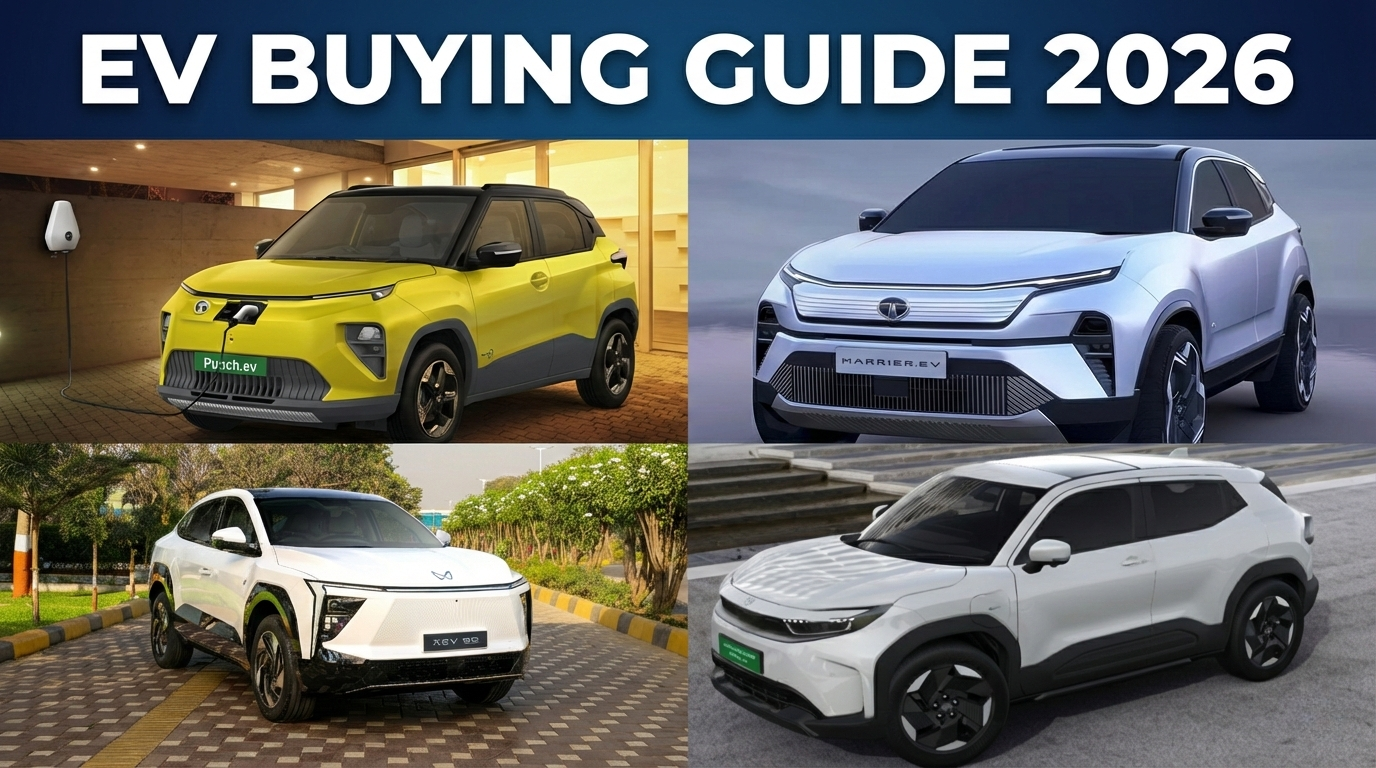
EV Buying Guide in India (2026 Edition)
Electric vehicles are no longer the future — they are the present.
With rising fuel prices, stricter emission norms, and government subsidies, EV adoption in India is accelerating rapidly. But buying an EV is very different from buying a petrol or diesel car.
This EV Buying Guide by CarUnboxing.in will help you make the right decision with zero confusion.
EV Buying Guide-Why Buy an Electric Vehicle in 2026?
Key Benefits of EVs
| Benefit | Explanation |
|---|---|
| Lower Running Cost | Electricity costs much less than petrol/diesel |
| Low Maintenance | Fewer moving parts, no engine oil |
| Silent Driving | Smooth & noise-free driving |
| Government Subsidy | FAME II benefits + state subsidies |
| Eco-Friendly | Zero tailpipe emissions |
In cities like Delhi, Mumbai, Bengaluru & Pune, EV charging infrastructure is improving fast.
EV Buying Guide-Understand Your Driving Pattern First (Most Important Step)
Before buying an EV, ask:
-
Daily running in km?
-
City use or highway use?
-
Home charging possible?
-
Apartment parking access?
Driving Pattern vs Ideal EV Type
| Daily Usage | Recommended EV Range |
|---|---|
| 20–30 km | 200–250 km range |
| 40–60 km | 300–350 km range |
| 80+ km | 400+ km range |
Example EVs in India:
-
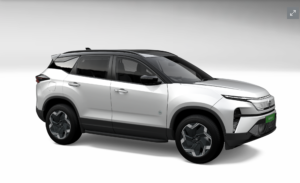
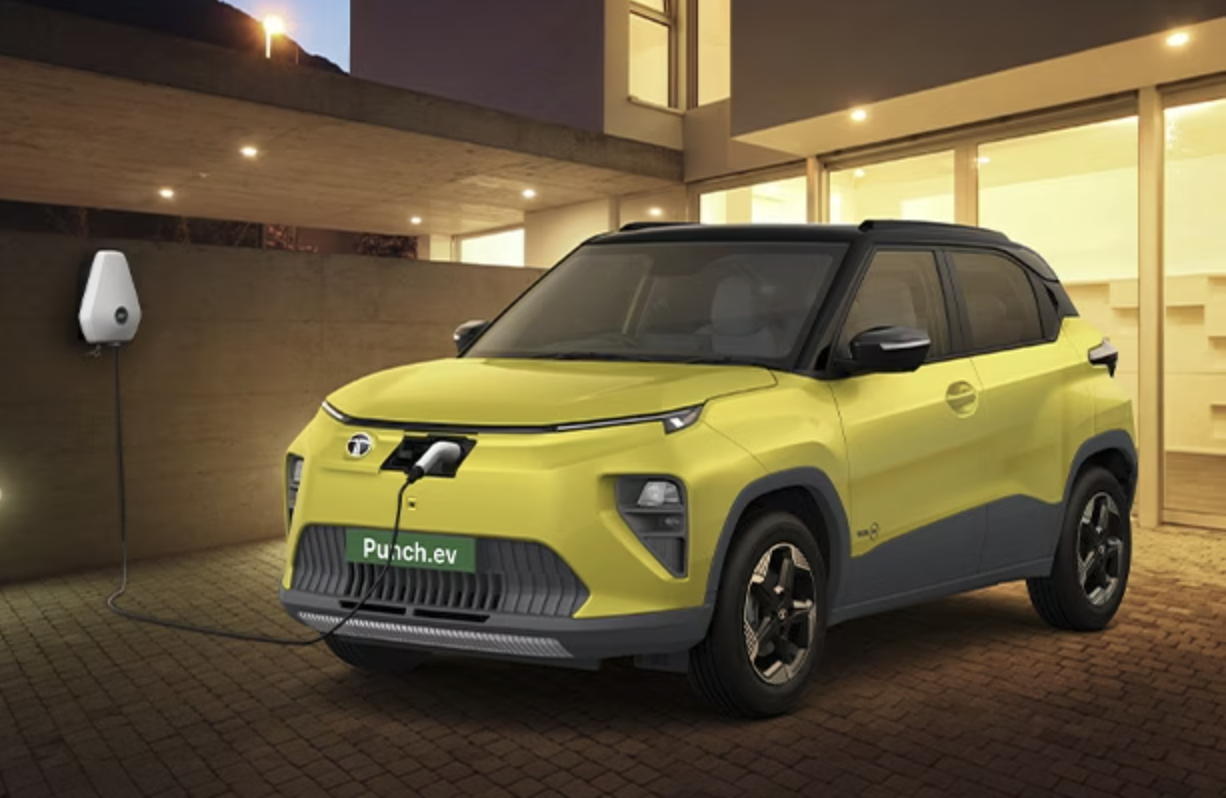
Tata Punch EV
-
MG ZS EV
-
Hyundai Kona Electric
EV Buying Guide-Battery Range: Real-World vs Claimed
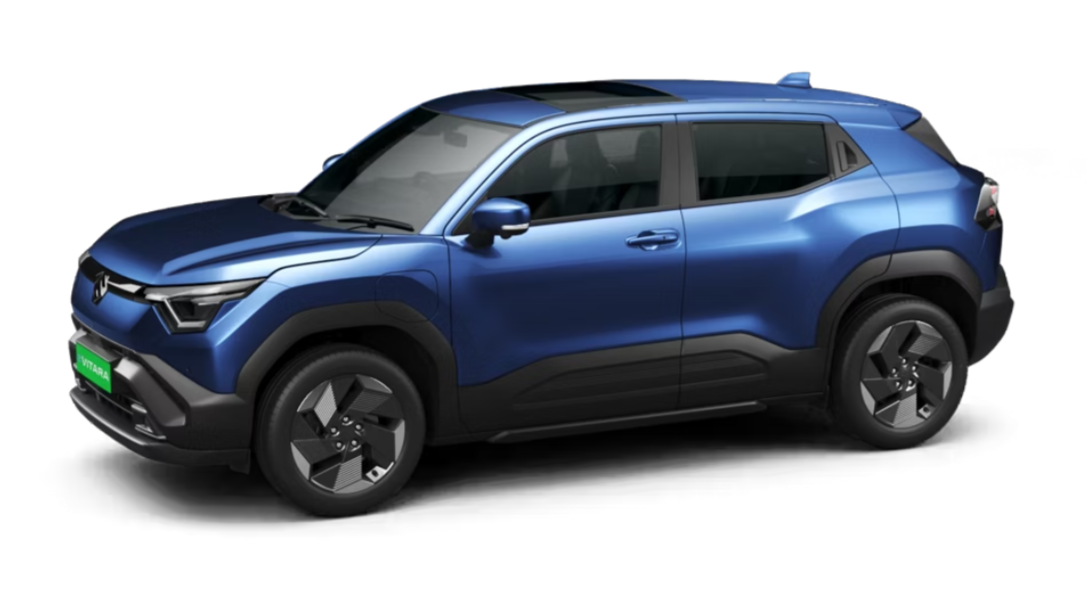
Manufacturers mention ARAI range, but real-world range is 10–20% lower.
Factors That Reduce Range:
-
AC usage
-
High-speed driving
-
Full passenger load
-
Extreme temperatures
Always check:
-
Real user reviews
-
Ownership reports
-
Independent testing
Charging Options Explained
Home Charging (Recommended)
-
15A socket (slow charging)
-
Dedicated wall box charger
Charging Time:
| Battery Size | 15A Socket | Fast Charger |
|---|---|---|
| 25 kWh | 8–10 hours | 1–1.5 hours |
| 35–40 kWh | 10–12 hours | 1–2 hours |
Public Charging Network in India
Companies expanding networks:
-
Tata Power EV Charging
-
Ather Grid
-
IONAGE
EV vs Petrol Car: Running Cost Comparison
Let’s compare:
| Parameter | EV | Petrol Car |
|---|---|---|
| Cost per km | ₹1 – ₹1.5 | ₹6 – ₹8 |
| Engine Oil | Not required | Required |
| Clutch Replacement | No clutch | Yes |
| Maintenance | Low | Moderate |
5-Year Running Cost Estimate (10,000 km/year)
| Vehicle Type | Estimated Cost |
|---|---|
| EV | ₹50,000 – ₹70,000 |
| Petrol | ₹3,00,000+ |
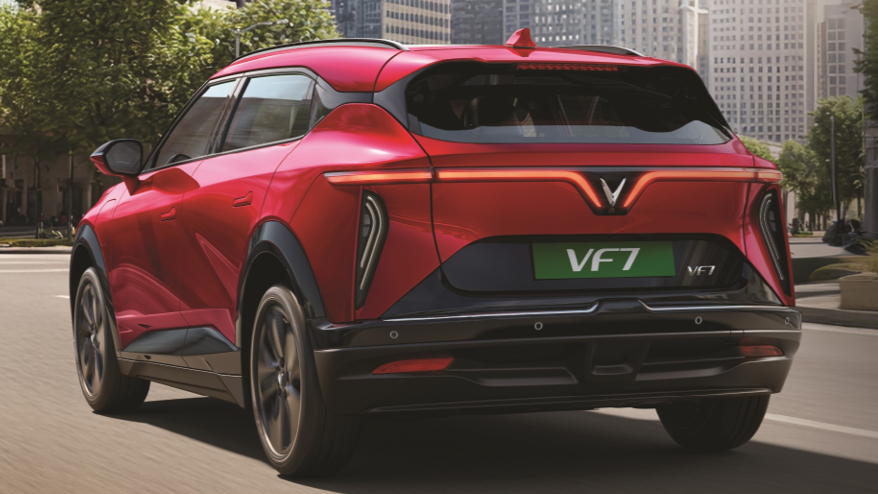
EV wins heavily in long-term ownership.
Battery Warranty & Replacement Cost
Most EV brands offer:
-
8 years warranty
-
1,60,000 km warranty
Battery replacement cost currently:
₹4–8 lakh depending on battery size
However:
Battery degradation is slow (2–3% per year average).
Government Subsidies (FAME II)
The Government of India supports EV adoption under:
FAME II
Benefits include:
-
Direct purchase subsidy
-
Road tax exemption (in some states)
-
Registration fee exemption
Check state-level policies before buying.
EV Resale Value in India
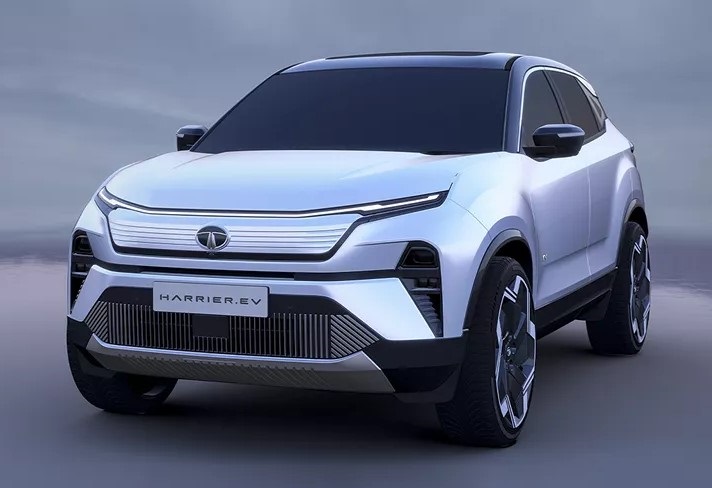
Concern: Do EVs have resale value?
Reality:
-
Growing demand = improving resale
-
Battery warranty transferable in most brands
-
EV market maturing rapidly
But resale still slightly lower than petrol for now.
Pros and Cons of Buying an EV
✅ Pros
-
Extremely low running cost
-
Quiet drive
-
Instant torque
-
Lower maintenance
❌ Cons
-
Higher initial cost
-
Charging time
-
Limited long highway infrastructure (improving)
Who Should Buy an EV?
Buy an EV if:
-
Daily city commute
-
Home charging available
-
Planning long-term ownership (5+ years)
-
Want lower monthly running cost
Avoid EV if:
-
No fixed parking
-
Frequent 500+ km highway trips
-
Short-term resale focus
Frequently Asked Questions (FAQ)
Is buying an EV worth it in India?
Yes, especially for city use and long-term ownership.
How long does EV battery last?
Typically 8–10 years with warranty support.
Are EVs safe in India?
Yes. Modern EVs undergo the same crash testing standards.
Is EV charging expensive?
No. Charging at home costs significantly less than petrol refueling.
Raed our Interesting articles on EVs
Final Verdict by CarUnboxing.in
EVs are no longer experimental products.
For Indian city buyers in 2026, electric vehicles make strong financial sense if you understand your usage pattern.
The key is not hype — but smart decision-making.
If used correctly, an EV can reduce your ownership cost by up to 60–70% compared to petrol vehicles.
Published by: CarUnboxing.in
Author: AP Singh